
Most surveys are designed to collect information as efficiently as possible. A user opens a form, answers a series of questions, submits their response, and moves on. While this approach may gather data, it often fails to create meaningful engagement. Completion rates drop, users lose interest halfway through, and businesses are left with limited participation and incomplete insights.

The problem is not that businesses ask questions. It is how those questions are experienced. Gamified surveys and quizzes offer a different approach. By introducing elements such as rewards, progression, points, interactive design and competition, they transform surveys from static forms into engaging experiences people are more willing to complete. Instead of feeling like a task, the interaction feels participatory and rewarding. As digital environments become increasingly saturated and attention spans continue to shrink, businesses are under pressure to create interactions that not only gather information, but also hold attention long enough to deliver meaningful engagement. This is where gamification becomes particularly valuable.
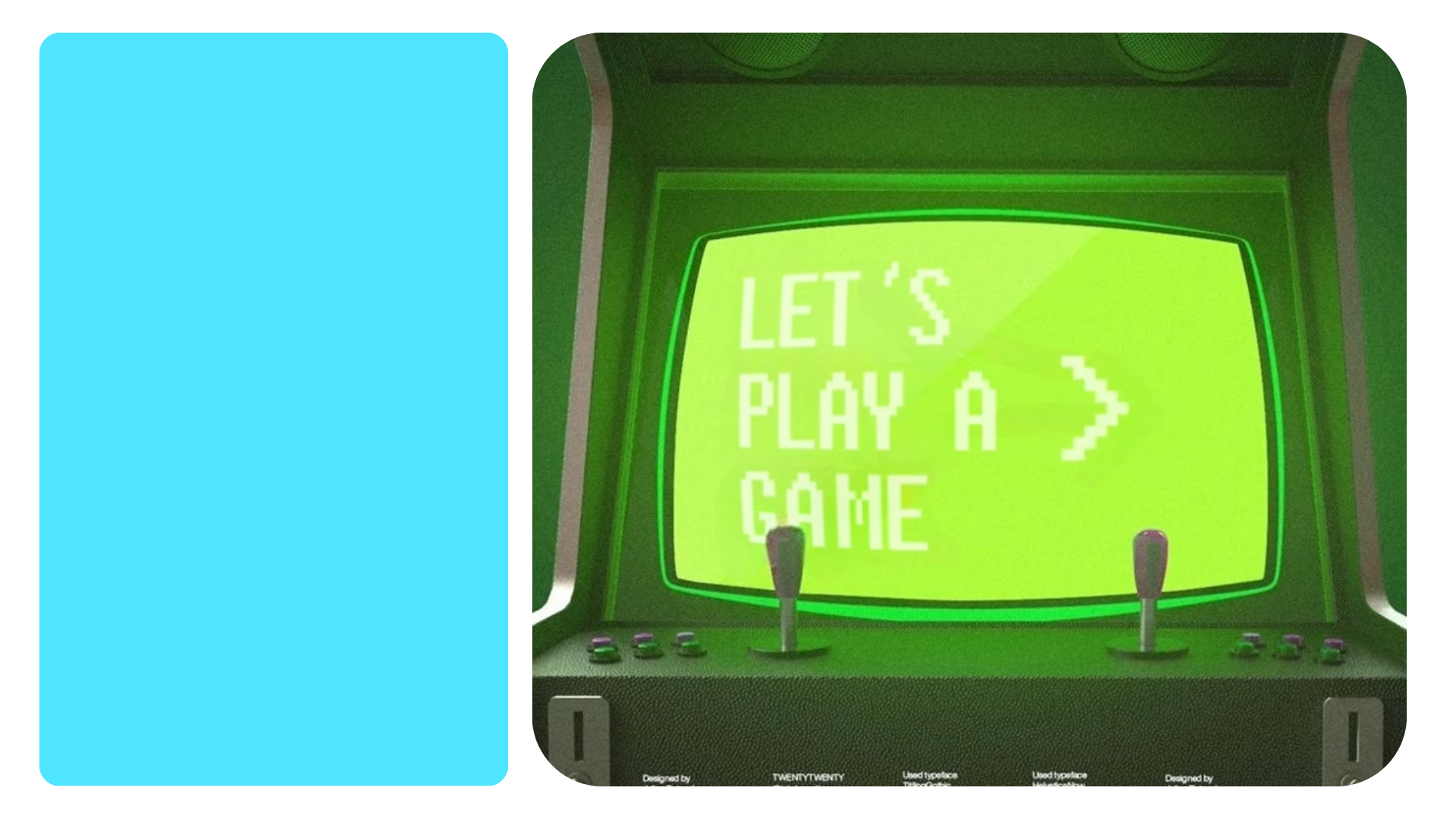
What Are Gamified Surveys and Quizzes?
Gamified surveys and quizzes apply game mechanics to traditional questionnaires and forms in order to make the experience more interactive and engaging. Rather than presenting users with a flat sequence of questions, gamification introduces elements designed to create motivation, momentum and curiosity throughout the interaction.
These mechanics can include:
-
- points and scoring systems
-
- progress bars
-
- rewards for completion
-
- interactive animations and visual feedback
-
- countdowns or timed challenges
-
- badges and achievements
-
- leaderboards or competitive elements
-
- branching quiz journeys based on responses
Even small additions, such as showing progress through a quiz or rewarding completion with a personalised result, can significantly change how users experience the interaction. The goal is not to turn a survey into a complex game. It is to make participation feel more dynamic, rewarding and enjoyable.
Why Gamified Surveys Are More Effective
Traditional surveys often struggle because they rely entirely on user motivation. People are expected to give their time and attention with little immediate value in return. Gamification changes this dynamic by creating a sense of progression and participation throughout the experience.
A progress bar encourages users to continue because they can see how close they are to completion. Rewards and points create anticipation. Interactive elements break the monotony of repetitive questions and help maintain attention for longer periods. This has a direct impact on engagement.
Users are more likely to:
-
- start the interaction
-
- complete the full survey or quiz
-
- remain attentive while responding
-
- return for future interactions
From a user perspective, the experience feels lighter, faster and more rewarding.
From a business perspective, this leads to something even more valuable: better data. Higher completion rates mean more usable responses.
Increased engagement often leads to more thoughtful participation and richer behavioural insights. Businesses are not only collecting information — they are learning how users interact, what motivates them, and where attention is strongest. Gamified experiences can also strengthen customer relationships over time. When interactions feel enjoyable rather than transactional, they contribute to stronger brand affinity and ongoing engagement.

Gamified Surveys in Marketing and Market Research
One of the most common applications of gamified surveys is within marketing and market research.
Brands constantly need customer feedback, behavioural insights and audience data, but traditional forms often feel disconnected from the rest of the customer experience. Gamification allows businesses to gather this information in a way that feels more aligned with modern digital behaviour.
For example:
-
- a product recommendation quiz can help users discover relevant products while collecting preference data
-
- a spin-to-win interaction can gather lead information before revealing a reward
-
- a personality-style quiz can increase engagement while providing valuable segmentation insights
These experiences feel less like data collection and more like participation.
This is particularly important in a time when consumers are becoming increasingly selective about where they spend their attention.
Gamified Quizzes in Education and Training
Gamification is also becoming increasingly valuable in education and workplace training environments.
Traditional learning modules and assessments often struggle with participation and retention. Users may complete mandatory training, but engagement is low and information is quickly forgotten. Interactive quizzes and gamified learning journeys create a more active learning process.
Elements such as:
-
- scoring systems
-
- timed challenges
-
- progress tracking
-
- rewards and achievements
This improves both engagement and knowledge retention. Rather than passively consuming information, users actively interact with it.
For businesses, this can lead to stronger training outcomes, higher completion rates and improved performance tracking.

The Future of Surveys Is Interactive
As digital engagement continues to evolve, traditional forms and static questionnaires will become increasingly ineffective at holding attention.
Businesses still need data, feedback and customer insight, but the way they collect it needs to adapt to changing behaviour and rising expectations.Gamified surveys and quizzes represent part of this shift. They transform data collection into participation, helping businesses create experiences that users are more willing to engage with, complete and remember.
The goal is no longer simply to ask questions. It is to create interactions people actually want to take part in.
Ready to create more engaging customer interactions?
Build your own gamified survey or quiz in minutes with Campaign Creator, or speak to our team about designing a fully customised experience for your brand.