Loyalty is not a new concept, but the expectations around it have changed dramatically. Most brands offer a rewards program, but today’s consumers engage with very few. The average person belongs to more than sixteen programs but meaningfully engages with fewer than six. This gap reveals how oversaturated and uninspired the loyalty space has become. Generic point systems with predictable offers rarely create memorable experiences.
The reward is noticed, but the brand behind it is not.
Where things are shifting is in how consumers behave. People are exposed to an overwhelming amount of digital content every day, which means loyalty programs now compete for attention in the same way entertainment does. To cut through that noise, brands need to offer something more than a transaction. They need to create a moment that stands out.
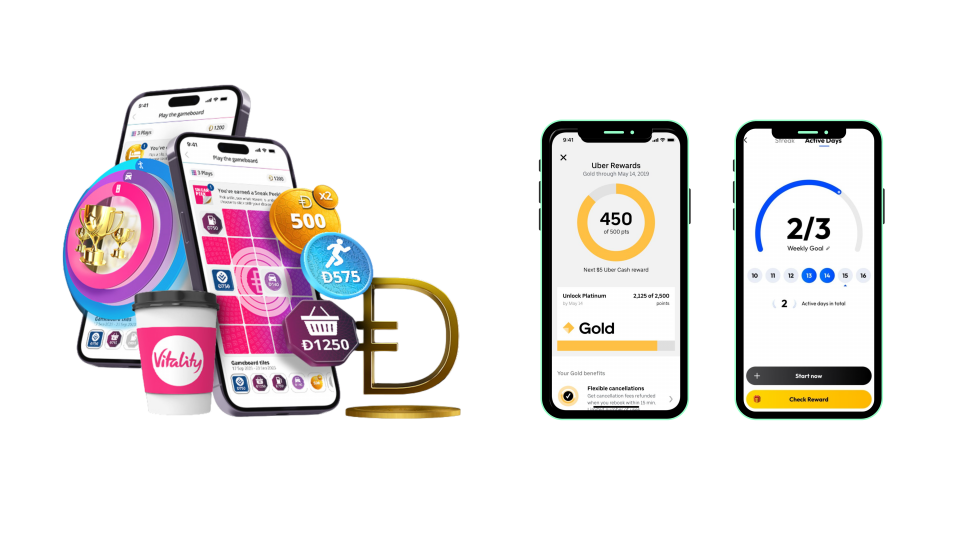
This is where behavioural psychology and brand strategy start to overlap. The most effective way to capture and hold attention is to tap into the behaviours that naturally drive engagement, such as interaction, progression and participation. This is why game elements have become such powerful tools. From leaderboards to weekly challenges, brands like Discovery and Virgin Active have shown how simple mechanics can sustain interest and build routine.
The next step is finding ways to evolve beyond these familiar tactics while still using the motivational power of gamification. Augmented Reality creates that opportunity. It allows brands to build virtual experiences that feel personal, immersive and different from anything consumers typically see. It’s gamification reimagined in a way that stands out.
Why People Respond to Gamification Mechanics
Gamification works because it draws on psychological principles that shape real behaviour. People feel most motivated when they experience autonomy, competence and relatedness. Traditional offers rarely satisfy any of these needs. In contrast, a challenge, mission or progress tracker gives people a sense of control, improvement and connection to something beyond a discount.
These mechanics also operate through powerful feedback loops. Action leads to feedback, feedback leads to reward and reward encourages further action. This behavioural pattern sits at the core of habit formation, which is why a well designed gamified experience builds momentum far more effectively than a once off reward.
Memory is another key factor. People remember what they do, not what they are told. Completing a task, unlocking a reward or discovering something hidden creates a story, and stories stay with people. In a crowded loyalty landscape, the brands that create these memories are the ones that stay top of mind.
![]()
The Rise of Experiential Loyalty
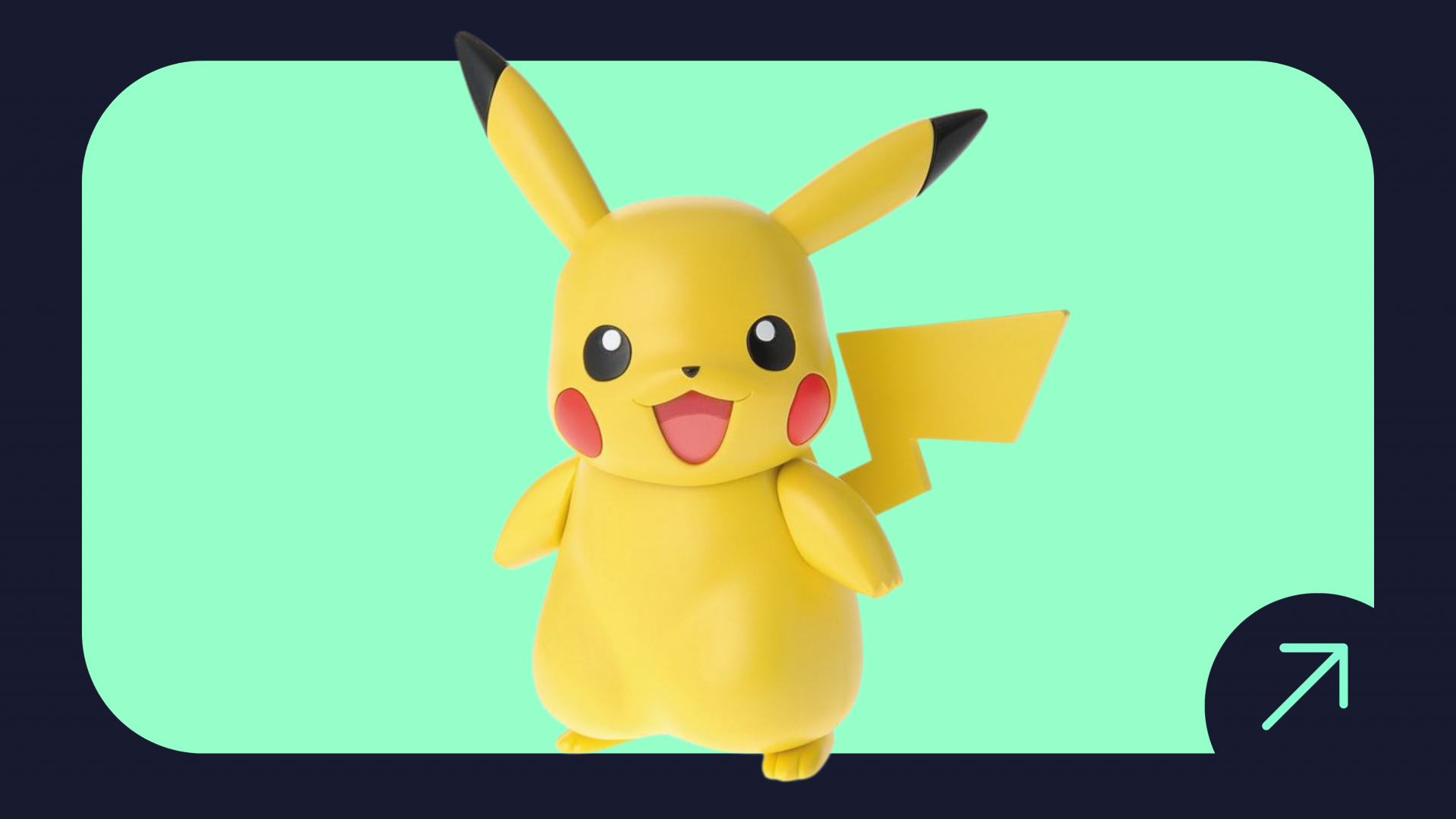
The combination of gamification and immersive technology transforms loyalty from a transaction into an experience people genuinely remember. Geo based hunts, interactive challenges and collectible digital rewards give consumers something to do rather than something to simply claim. The value comes from feeling rewarded, not just receiving a reward. This is evident in the success of experiences like Pokémon Go, where exploration, discovery and progress created meaningful long term engagement.
Augmented Reality strengthens this even further. AR is visual, shareable and naturally encourages social behaviour. People want to show others what they discovered or unlocked, which extends the reach of the experience without needing additional promotion.
Inner Reality’s platform is designed to make this effortless. With no app to download and no barrier to entry, the experience appears exactly where consumers already are. Our new campaign creator builds on this by allowing anyone to design dynamic AR campaigns in minutes, making activation as simple as creativity. This allows loyalty to integrate seamlessly into daily behaviour. Engagement becomes easier, participation feels intuitive and the entire system benefits. Brands gain a modern loyalty ecosystem that produces both memorable experiences for users and valuable behavioural data for future campaigns.
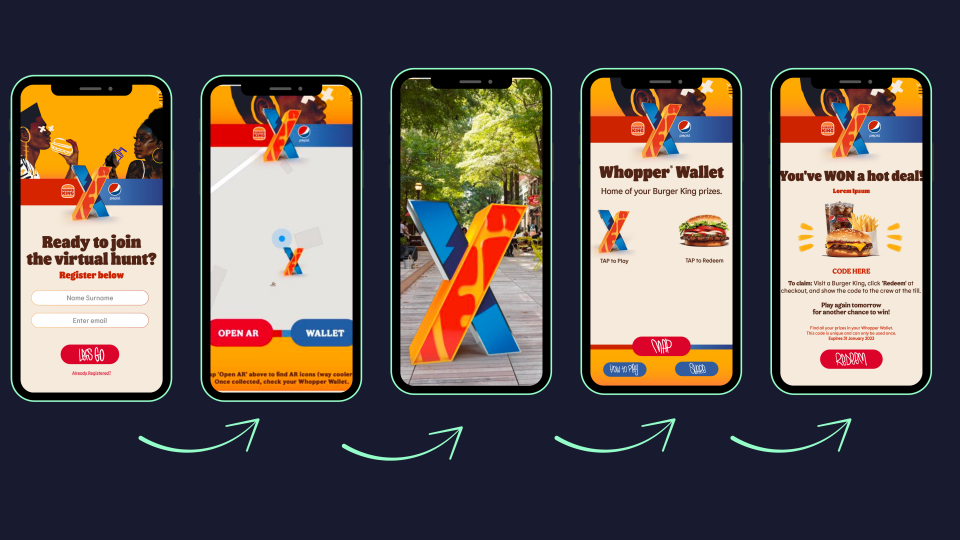
Step-by-step flow of Inner Reality’s Burger King X Pepsi rewards campaign, from registration to AR gameplay, prize wallet, and instant redemption.
Where Loyalty Is Heading Next
The next era of loyalty will rely less on points and far more on presence. As technology becomes more intuitive, loyalty programs will shift toward experiences that feel active, personalised and integrated into everyday life. Gamified loyalty hubs will evolve into fluid ecosystems where consumers move through challenges, rewards and interactions that feel meaningful rather than mechanical.
The brands that succeed will be the ones that treat loyalty as an experience worth returning to, not a system to keep track of. This evolution is already underway, driven by immersive tools and smarter behavioural design.
Loyalty is not disappearing. It is becoming more dynamic, more interactive and far more experience driven. The question for brands is simple: are you adapting with it?